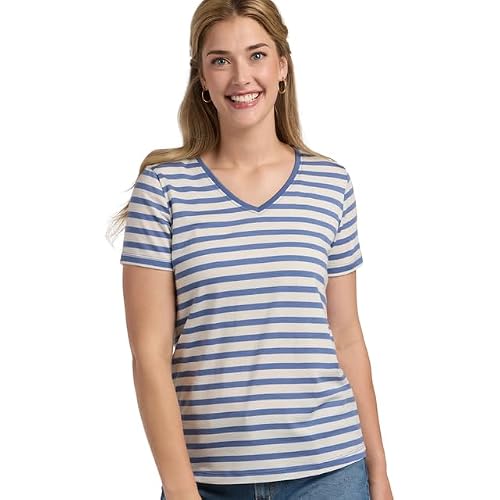
Choose for lying down, not a standing photograph
A neckline that looks tidy during the day may feel close when you curl onto your side. A fitted hem can ride upward as you turn. Before reserving a shirt for sleep, try the movements that matter: arms overhead, lying on your side and sitting upright against a pillow.
Pay attention to the places you lean on. A chest pocket, bulky print or side-seam label can become more noticeable under pressure. A plain merino T-shirt gives you fewer details to assess than a zip-neck top, but plain does not automatically mean comfortable.
If the fabric feels prickly during the daytime, do not buy it with the expectation that sleeping in it will solve that discomfort. The itchiness guide explains why garment details and individual reactions matter more than a blanket “non-itch” label.
If you already own a comfortable merino tee, there may be nothing to buy. For a different top, identify the specific change you want: a wider neck, less shaping at the waist, longer sleeves or an interior label you cannot feel.
Keep the bedding in the decision
Evaluate the shirt with the bedding and room conditions you normally use. A long sleeve may feel welcome in one room and excessive in another. Switching to merino does not make shirt thickness irrelevant, and there is no universal GSM that produces a better night.
If you are comparing two shirts, change one thing at a time where practical. A completely different duvet, room and shirt cannot tell you much about which fabric you prefer. You do not need a formal experiment; simply avoid attributing every comfortable or uncomfortable night to wool.
If your present sleep shirt already works, compare only the feature you want to change. For example, a wider neckline addresses neck pressure; a different fibre may leave the same restrictive neckline unchanged.
A dedicated sleep top can simplify travel
On a trip, keeping one clean, dry shirt for the night can be easier than expecting the day’s hiking or sightseeing top to serve again. That reserve has a clear job even when you are trying to pack lightly. It can also give you something to wear while another shirt is being washed.
If the sleep shirt doubles as a daytime spare, choose a neckline and opacity you would be happy wearing outside. The compromise should be intentional: a very loose sleep top may not be the daytime shape you want, while a close athletic top may be less pleasant in bed.
Use our packing-count guide to plan the rotation around laundry access. Count a dedicated sleep shirt as an actual garment in the bag, rather than mentally assigning the same clean shirt to several simultaneous jobs.
Does merino guarantee better sleep?
Wool content alone does not establish that you will sleep better. Choose the top for a comfortable neckline, fabric feel, coverage and the bedding you use.
Should a merino sleep shirt be oversized?
Choose the room you find comfortable without a neck or hem that annoys you when you move. A universal instruction to size up would ignore differences between cuts.